MASS MUAC SCREENING REPORT

Project Title
Provision of Life-Saving, Community-Based Preventive Nutrition Assistance to Vulnerable Populations in Hard-to-Reach Areas of Beledweyne District
Implementing Organization Somali Helping Hands Association (SOHHA)
Donor Somalia Humanitarian Fund (SHF)
Project Code: CBPF-SOM-25-S-NGO-36466
Location Beledweyne District – Hard-to-Reach Rural Villages and IDP Camps
Reporting Period 17 to 22 2025 – Five Consecutive Days]
1. Background and Context
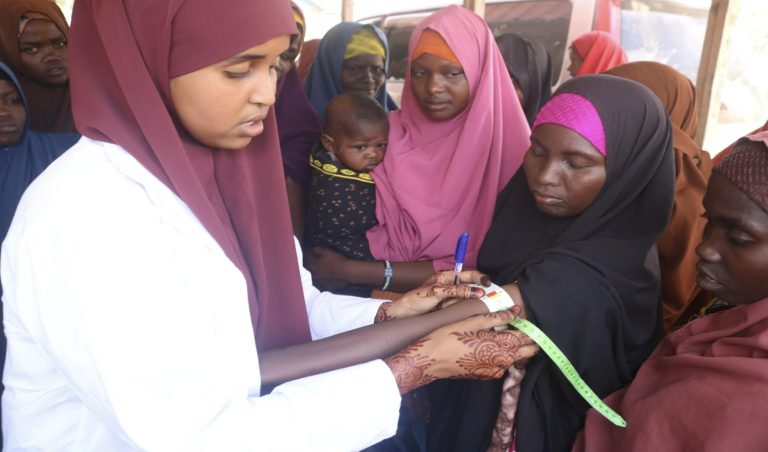
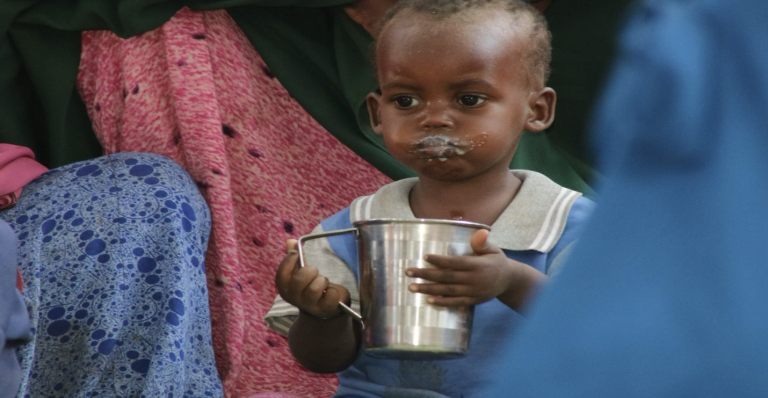
Beledweyne District in Hiraan Region continues to face high levels of acute malnutrition, largely driven by recurrent climatic shocks (droughts and flooding), insecurity, population displacement, limited access to essential services, and suboptimal Infant and Young Child Feeding (IYCF) practices. These challenges are most pronounced in hard-to-reach rural villages and internally displaced persons (IDP) camps, where humanitarian access remains constrained and health and nutrition service coverage is weak. Early detection of acute malnutrition through community-based screening is a critical life-saving intervention that enables timely referral and treatment of affected children and pregnant and lactating women (PLW). In response to the prevailing nutrition situation, SOHHA conducted a Mass Mid-Upper Arm Circumference (MUAC) screening exercise targeting children aged 6–59 months and PLW in selected hard-to-reach villages and IDP camps of Beledweyne District.
2. Objectives of the Mass MUAC Screening
2.1 General Objective
To enhance early detection and timely referral of acute malnutrition cases among children under five years of age and pregnant and lactating women in hard-to-reach villages and IDP camps of Beledweyne District.
2.2 Specific Objectives
- To screen children aged 6–59 months using MUAC measurement and oedema assessment
- To screen pregnant and lactating women for nutritional risk using MUAC
- To identify and refer cases of Severe Acute Malnutrition (SAM) and Moderate Acute Malnutrition (MAM) to appropriate nutrition treatment services
- To strengthen community awareness on malnutrition prevention, early care-seeking, and available nutrition services
- To improve coordination between community structures and nearby health and nutrition facilities for effective referral and follow-up
3. Target Population
- Children aged 6–59 months
- Pregnant and lactating women (PLW)
- Caregivers and community members in targeted villages and IDP camps
4. Implementation Approach and Methodology
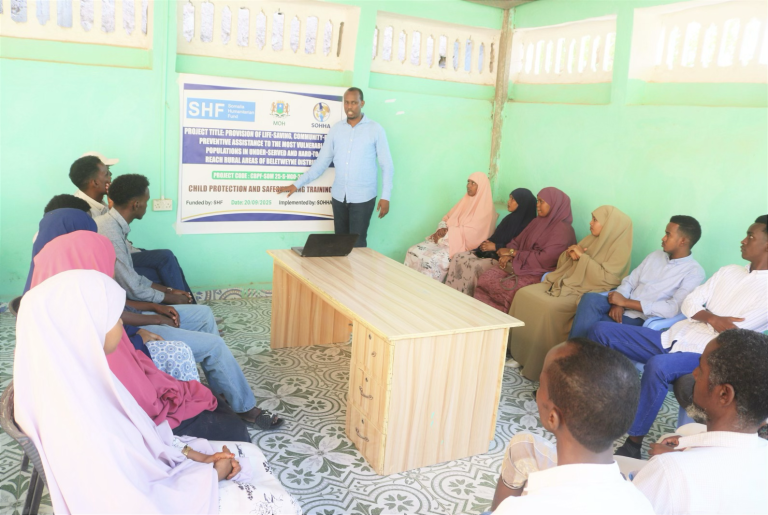
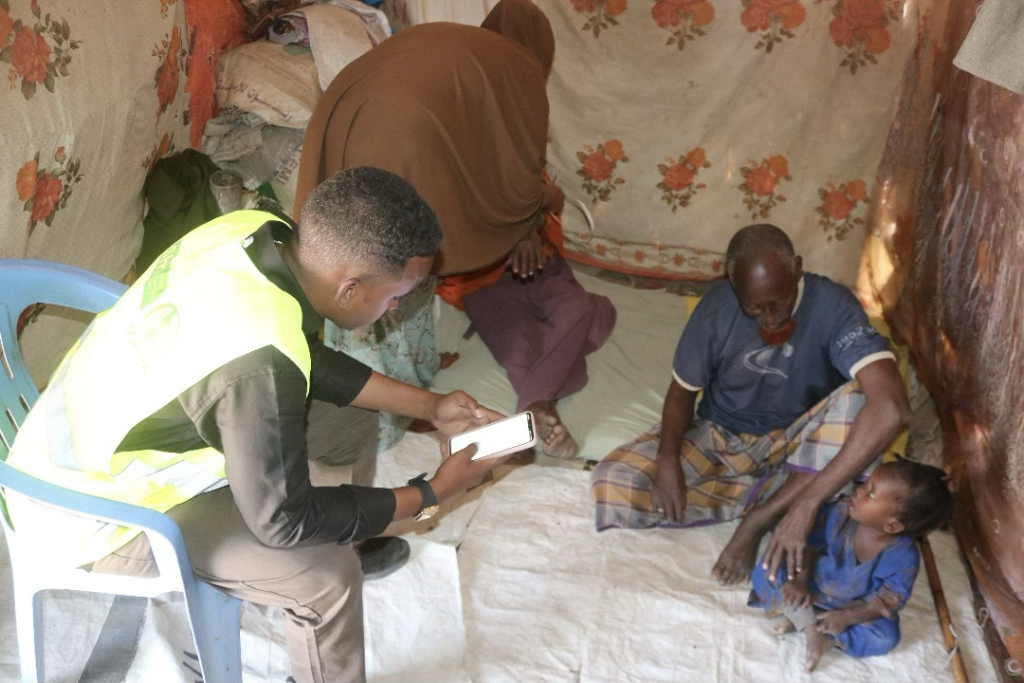
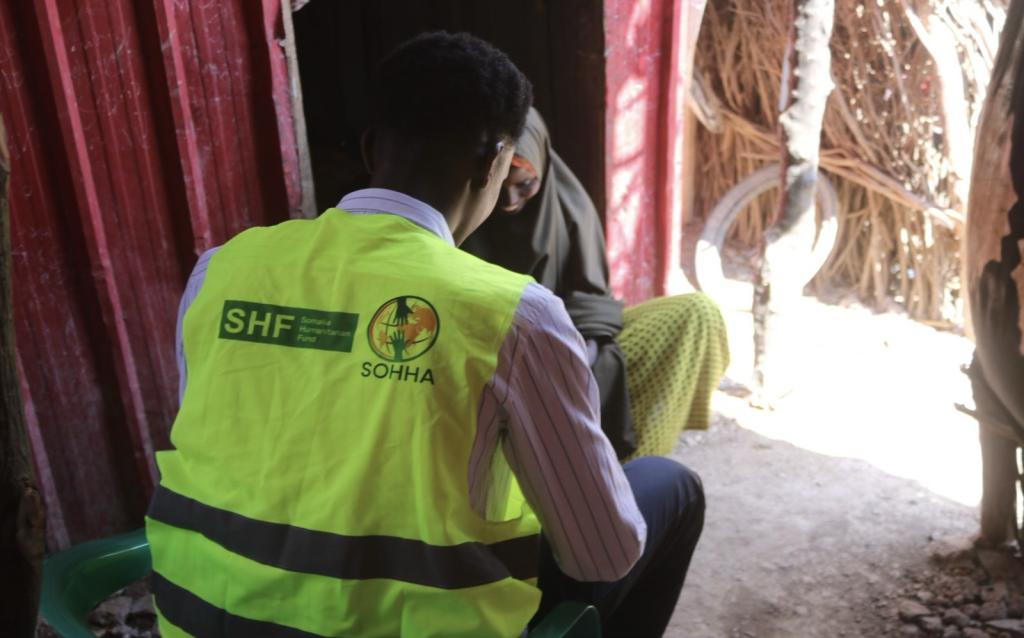
The Mass MUAC screening was implemented using a community-based approach, in close collaboration with community leaders, Community Health Workers (CHWs), community nutrition monitors, and relevant local authorities. Prior to the screening exercise, coordination meetings were held with district officials and community representatives to ensure community acceptance, security clearance, and smooth access to the targeted locations.
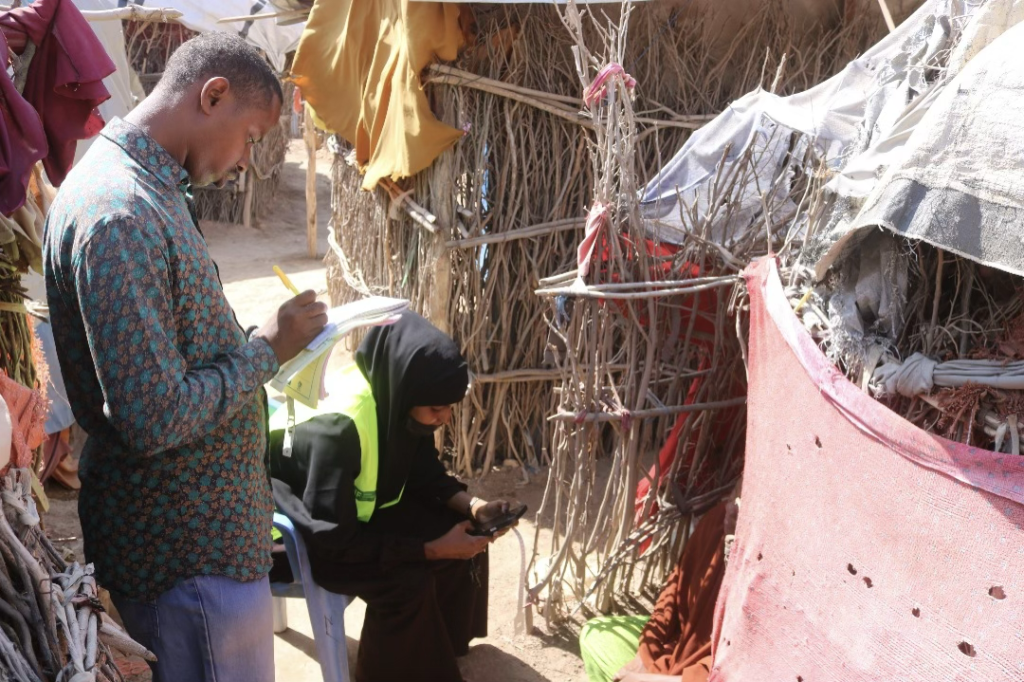
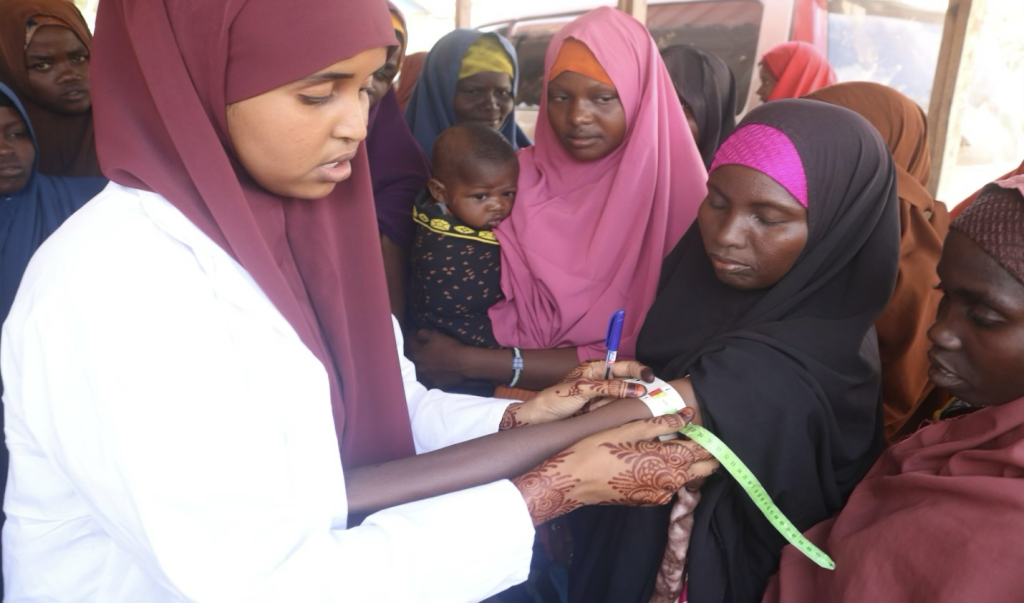
Screening teams applied a door-to-door approach complemented by fixed screening points in IDP camps and village centers. Standard MUAC tapes were used to assess nutritional status, and all children were examined for the presence of bilateral pitting oedema. Pregnant and lactating women were screened using MUAC to identify nutritional risk.
All identified cases of acute malnutrition were systematically recorded and referred to the nearest functional health or nutrition facility providing Outpatient Therapeutic Programme (OTP), Targeted Supplementary Feeding Programme (TSFP), or Stabilization Centre (SC) services. In addition, caregivers received key nutrition and health messages focusing on early care-seeking, optimal IYCF practices, hygiene, and adherence to treatment.
5. Team Composition
The screening exercise was conducted by a total of 48 personnel, composed of:
- 24 SOHHA staff, including nutrition officers, supervisors, and data recorders
- 24 Enamenotours
Teams were deployed with clearly defined roles and responsibilities. Daily supervision and on-the-spot mentorship were conducted to ensure data accuracy, quality assurance, and adherence to national and cluster-approved screening protocols.
6. Coverage Areas
The Mass MUAC screening targeted hard-to-reach rural villages and IDP camps in Beledweyne District, including:
- Alla Aamin 1 IDP – Siigaalow
- Alla Aamin 2 IDP – Siigaalow
- Alle Suge IDP – Siigaalow
- Bacaadbuke village
- Bulsho Bile IDP – Siigaalow
- Bulsho IDP – Siigaalow
- Ceynaba IDP – Siigaalow
- Dayax IDP – Siigaalow
- Dharkeynta village
- Iftin IDP – Siigaalow
- Macruuf IDP – Siigaalow
- Nasri 2 IDP – Siigaalow
- Qoydo villages
- Siigaalow
- Tawakal IDP – Siigaalow
- Tawakal 2 IDP – Siigaalow
7. Screening Criteria and Referral Pathways
7.1 Children Aged 6–59 Months
- Severe Acute Malnutrition (SAM):
- MUAC < 11.5 cm and/or presence of bilateral pitting oedema
- Referred to OTP or Stabilization Centre (SC)
- Moderate Acute Malnutrition (MAM):
- MUAC ≥ 11.5 cm and < 12.5 cm
- Referred to TSFP
- Normal Nutritional Status:
- MUAC ≥ 12.5 cm
- Provided with nutrition education and routine follow-up
7.2 Pregnant and Lactating Women (PLW)
- At Nutritional Risk:
- MUAC < 21 cm
- Referred to TSFP or appropriate maternal nutrition services
8. Screening Results and Detected Malnutrition Cases
Over the five-day screening period, the following results were recorded:
8.1 Children 6–59 Months Screened
- Severe Acute Malnutrition (SAM – Red):
- 66 children identified and referred for life-saving treatment
- Moderate Acute Malnutrition (MAM – Yellow):
- 625 children identified and referred to TSFP services
- Normal Nutritional Status (Green):
- 1,736 children screened and provided with nutrition education
8.2 Pregnant and Lactating Women (PLW)
- PLW with MUAC < 21 cm (At Risk):
- 195 women identified and referred to nutrition support services
- PLW Already Enrolled in Nutrition Treatment Programmes:
- 71 women confirmed to be receiving ongoing nutrition assistance
These findings indicate a significant burden of acute malnutrition, particularly MAM cases, underscoring the urgent need for sustained preventive and curative nutrition interventions in the targeted locations.
9. Key Achievements
- Successful completion of Mass MUAC screening in hard-to-reach villages and IDP camps
- Early identification of 66 SAM children, 625 MAM children, and 195 nutritionally at-risk PLW
- Timely referral of identified cases to appropriate nutrition treatment services
- Increased caregiver awareness on malnutrition, early care-seeking, and available services
- Strengthened coordination between SOHHA, community structures, and health facilities
10. Challenges and Constraints
- High malnutrition caseloads, reflecting the severity of the nutrition situation
- Logistical and access challenges in reaching some remote and flood-prone areas
11. Lessons Learned
- Strong community engagement significantly improved participation and acceptance
- Joint deployment of SOHHA staff and community monitors enhanced trust and coverage
- Continuous supervision improved screening accuracy and data quality
- Integrating nutrition messaging during screening increased caregiver knowledge and awareness
12. Recommendations
- Conduct regular Mass MUAC screenings in hard-to-reach and underserved communities
- Strengthen referral tracking and follow-up mechanisms to ensure treatment completion
- Expand access to nutrition services closer to remote communities where feasible
- Continue capacity building for community nutrition monitors and CHWs
- Further integrate IYCF counselling and health education into screening activities
13. Conclusion
The Mass MUAC screening exercise implemented by SOHHA, with funding from the Somalia Humanitarian Fund (SHF), successfully contributed to the early detection and referral of acute malnutrition cases among vulnerable children and pregnant and lactating women in hard-to-reach villages and IDP camps of Beledweyne District. The identification of a substantial number of SAM, MAM, and at-risk PLW cases highlights the critical importance of sustained community-based screening, referral, and treatment services to reduce malnutrition-related morbidity and mortality in the district.