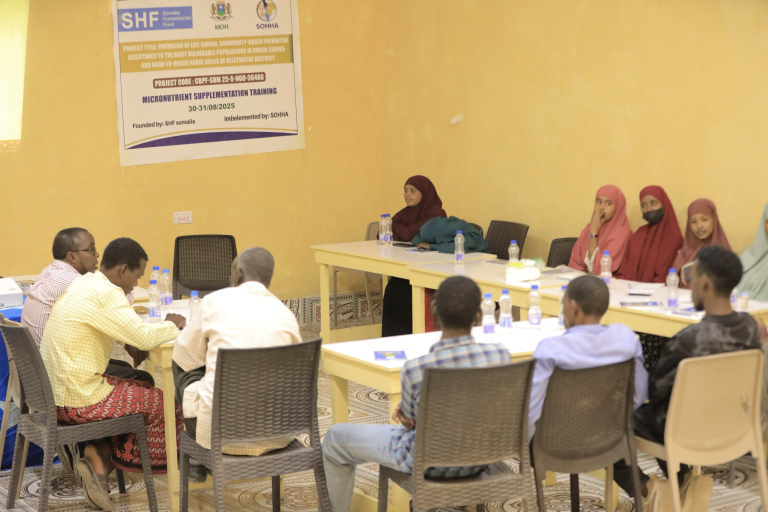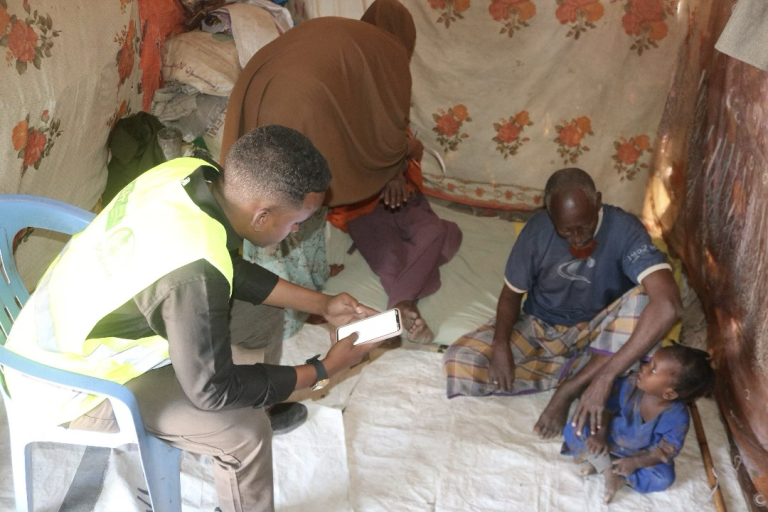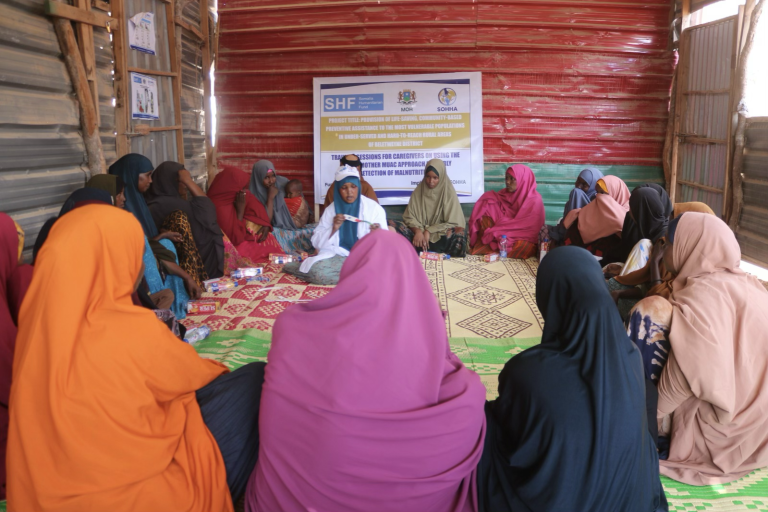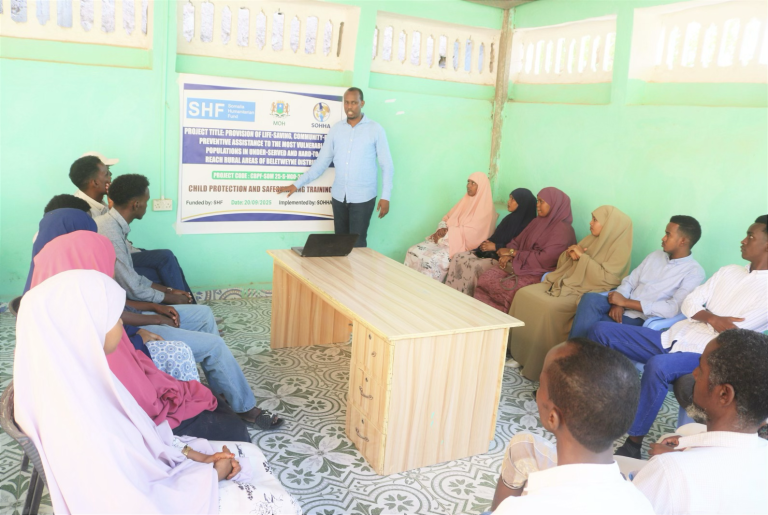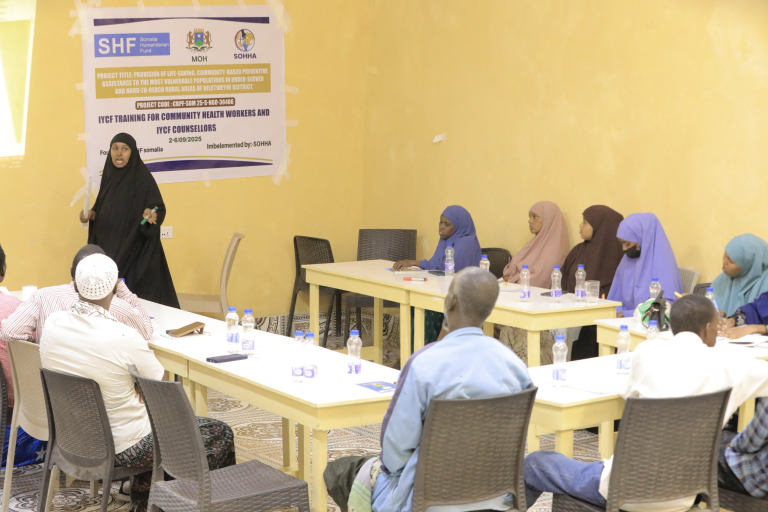
Child Protection and Safeguarding Training

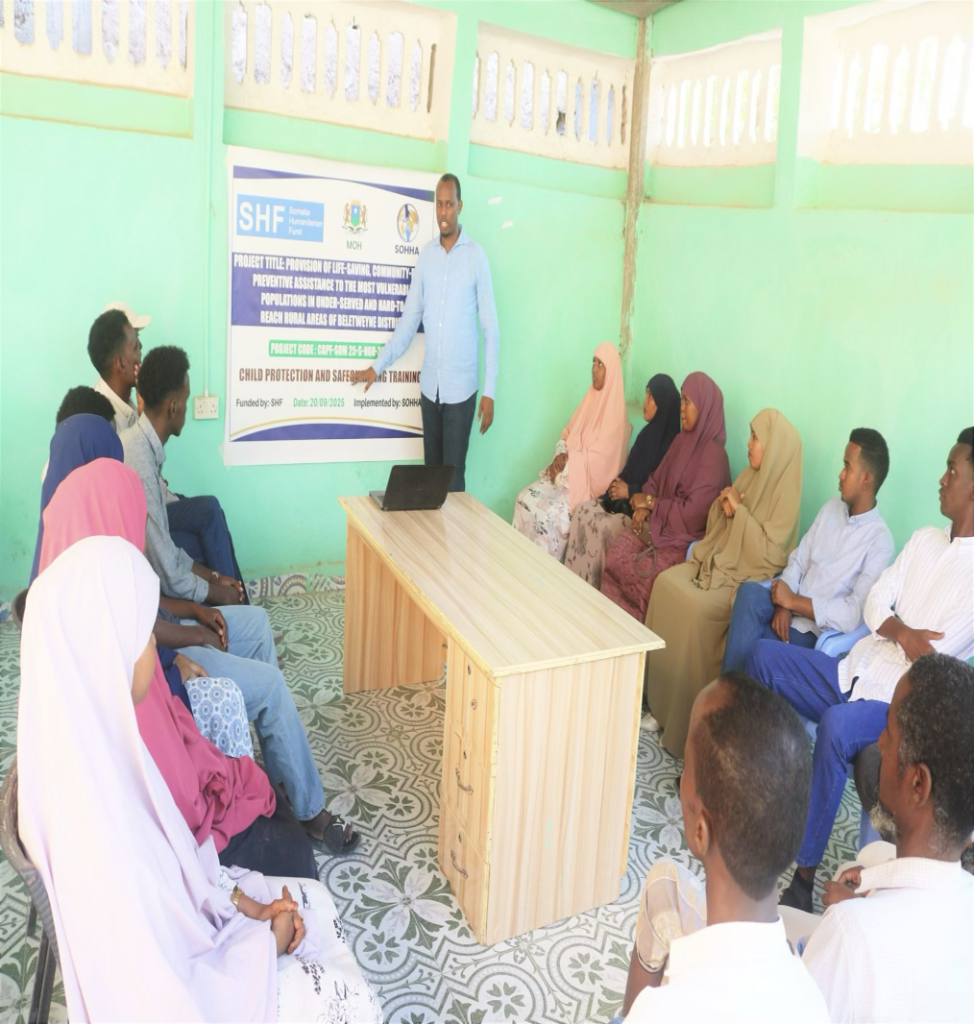
Child Protection and Safeguarding Training
Project Title Provision of Life-Saving, Community-Based Preventive Nutrition Assistance to Vulnerable Populations in Hard-to-Reach Areas of Beletweyne District
Training Title -Child Protection and Safeguarding Training Integrated into IMAM
Implementing Organization -Somali Helping Hands Association (SOHHA)
Donor -Somalia Humanitarian Fund (SHF)
Training Location -Beletweyne District, Hiraan Region, Somalia
Training Dates [20 September 2025]
Participants
A total of 24 participants, comprising:
- 16 Community Health Workers (CHWs)
- 8 Infant and Young Child Feeding (IYCF) Counsellors
1. Background and Rationale
Children and other vulnerable populations in humanitarian settings face heightened risks of abuse, exploitation, neglect, and violence. Nutrition programmes such as the Integrated Management of Acute Malnutrition (IMAM) require strong child protection and safeguarding measures to ensure services are delivered safely, ethically, and in the best interests of children.
In line with its commitment to safeguarding and accountability, SOHHA integrated comprehensive Child Protection and Safeguarding training into the IMAM curriculum. The training aimed to strengthen the capacity of frontline nutrition staff to prevent, identify, and appropriately respond to child protection risks while delivering nutrition services in Beletweyne District. The training was guided by internationally recognized frameworks, including the Child Protection Minimum Standards (CPMS) and the Somalia Child Protection Sub-Cluster Guidelines.
2. Training Objectives
2.1 Overall Objective
To strengthen the knowledge and skills of Community Health Workers and IYCF counsellors in applying child protection and safeguarding principles within IMAM and community-based nutrition services.
2.2 Specific Objectives
- To increase understanding of child protection concepts and safeguarding principles
- To familiarize participants with the Child Protection Minimum Standards (CPMS)
- To enhance knowledge of Somalia Child Protection Sub-Cluster guidelines and referral pathways
- To strengthen capacity to identify, prevent, and report child protection risks
- To promote safe, respectful, and child-centered service delivery within IMAM programmes
3. Training Content
The training covered the following key topics:
- Introduction to child protection in humanitarian contexts
- Definitions and types of child abuse, exploitation, and neglect
- Safeguarding principles and codes of conduct for humanitarian staff
- Overview and application of the Child Protection Minimum Standards (CPMS)
- Somalia Child Protection Sub-Cluster guidelines and coordination mechanisms
- Identification of child protection risks in nutrition and health settings
- Safe and ethical engagement with children and caregivers
- Referral pathways and reporting procedures for child protection cases
- Confidentiality, informed consent, and data protection
- Roles and responsibilities of CHWs and IYCF counsellors in child safeguarding
4. Training Methodology
The training adopted participatory and learner-centered approaches to enhance understanding and practical application. Methodologies included:
- Facilitated presentations
- Group discussions and experience sharing
- Case studies and scenario-based learning
- Role plays on identification and referral of child protection cases
- Question-and-answer sessions
These approaches enabled participants to translate theoretical knowledge into practical actions relevant to their daily work.
5. Participants
A total of 24 participants attended the training, including:
- 16 Community Health Workers (CHWs)
- 8 IYCF Counsellors
Participants were selected from SOHHA-supported nutrition and community outreach sites to ensure direct application of safeguarding practices during IMAM implementation.
6. Key Achievements
- Improved understanding of child protection and safeguarding principles among participants
- Increased awareness of CPMS and Somalia Child Protection Sub-Cluster guidelines
- Strengthened capacity to identify and respond to child protection risks in nutrition settings
- Enhanced knowledge of referral pathways and reporting mechanisms
- Reinforced commitment to ethical conduct and child-centered service delivery
7. Challenges
- Limited prior exposure of some participants to formal child protection frameworks
- Sensitivity of child protection topics requiring careful facilitation
These challenges were addressed through practical examples, supportive discussions, and clear guidance on referral mechanisms.
8. Conclusion
The Child Protection and Safeguarding training successfully strengthened the capacity of Community Health Workers and IYCF counsellors to safeguard children and vulnerable populations during IMAM service delivery. By integrating child protection principles into nutrition programming, SOHHA has reinforced its commitment to safe, ethical, and child-centered humanitarian assistance in Beletweyne District.
9. Recommendations
- Conduct periodic refresher trainings on child protection and safeguarding
- Strengthen coordination with Child Protection Sub-Cluster partners for effective referrals
- Integrate safeguarding monitoring into routine supervision visits
- Ensure continuous community awareness on child protection and reporting mechanisms