Training Report: IYCF

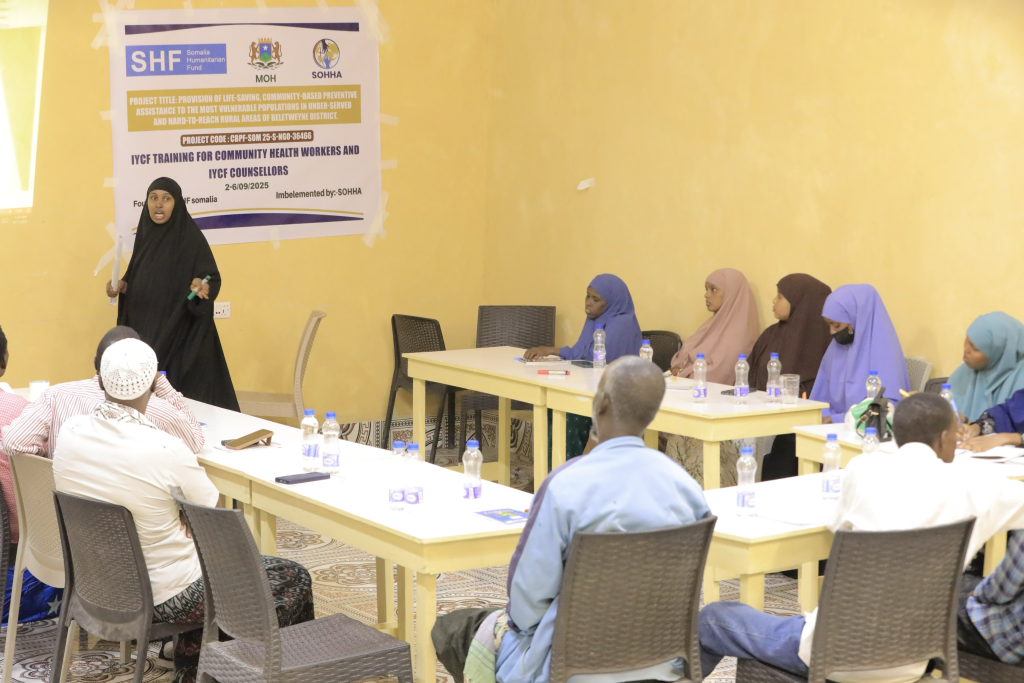
Training Title: Infant and Young Child Feeding (IYCF) Training
Training Dates: 2–6 September 2025
Funding : Somalia Humanitarian Fund (SHF)
Project CodeCBPF-SOM-25-S-NGO-36466
Implementing Partner: Somali Helping Hands Association (SOHHA)
Program Area:
- Region: Hiran
- District: Beletweyne
1. Introduction
From 23 to 26 September 2025, the Somali Helping Hands Association (SOHHA), with financial support from the Somalia Humanitarian Fund (SHF) under project code CBPF-SOM-25-S-NGO-36466, successfully conducted a four-day Infant and Young Child Feeding (IYCF) training in Beletweyne District, Hiran Region, Somalia.
The training targeted 8 IYCF counselors and 16 Community Health Workers (CHWs) operating across outreach sites and one fixed site in rural areas of the district. The primary objective was to strengthen participants’ technical knowledge and practical skills in promoting optimal IYCF practices, early identification of acute malnutrition through MUAC screening, and timely referral of malnourished children to appropriate nutrition services.
The training also integrated key nutrition components related to the prevention of malnutrition, identification of Severe Acute Malnutrition (SAM), and appropriate referral in line with national guidelines. Emphasis was placed on the critical role of caregivers and communities in improving child nutrition outcomes. Overall, the intervention aimed to strengthen community-based IYCF and nutrition services and improve access to life-saving care for vulnerable populations in hard-to-reach areas of Beletweyne District.
2. Training Objectives
The overall objective of the IYCF training was to strengthen the capacity of 8 IYCF counselors and 16 Community Health Workers (CHWs) to effectively promote optimal infant and young child feeding practices and contribute to the prevention and early detection of malnutrition at community level. Specifically, the training aimed to:
- Strengthen IYCF Knowledge and Practices
Enhance participants’ understanding of key IYCF principles, including early initiation of breastfeeding, exclusive breastfeeding, appropriate complementary feeding, and continued breastfeeding, in accordance with national and global guidelines. - Enhance MUAC Screening and Early Detection of Malnutrition
Equip participants with the skills to accurately conduct MUAC screening among children, enabling early identification of acute malnutrition at household and community levels. - Improve Referral of Malnutrition Cases
Strengthen participants’ ability to correctly identify and classify moderate and severe acute malnutrition cases and ensure timely referral to appropriate nutrition programs, including OTP, TSFP, and Stabilization Centers, in line with national referral pathways. - Promote Community-Based Nutrition Prevention and Support
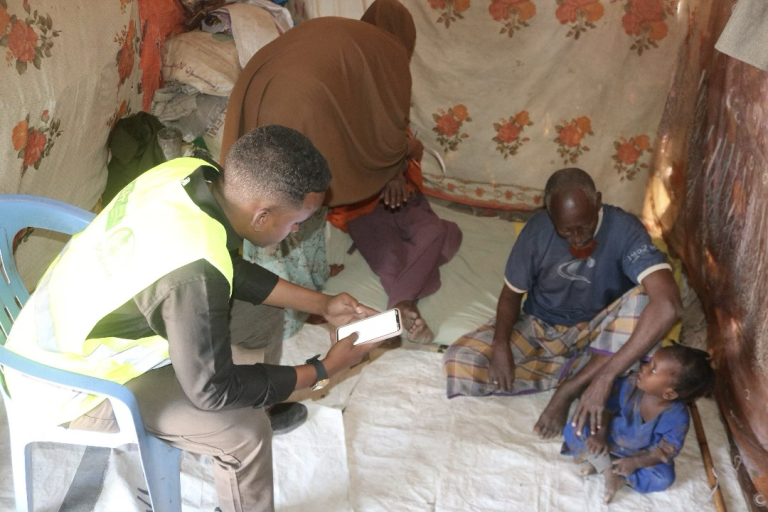
Strengthen community engagement in promoting optimal IYCF practices, early detection of malnutrition, and appropriate care-seeking behavior through routine community outreach and counseling activities.
3. Training Methodology
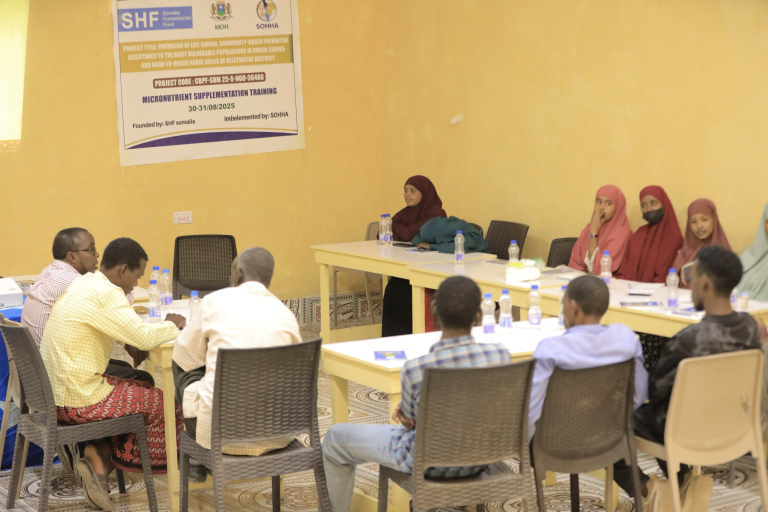
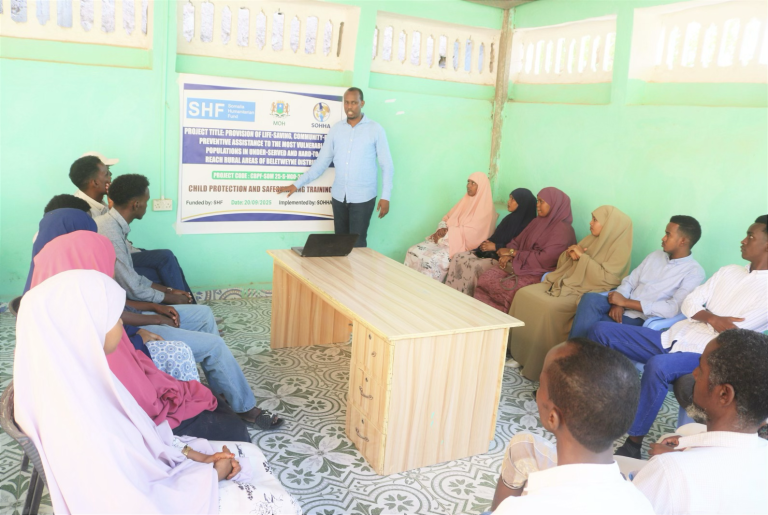
The IYCF training adopted a participatory and learner-centered approach, combining theoretical instruction with practical, hands-on sessions to enhance knowledge retention and practical application among IYCF counselors and CHWs. The methodology focused on strengthening both technical nutrition knowledge and caregiver counseling skills. Key training methods included:
- Interactive Lectures:
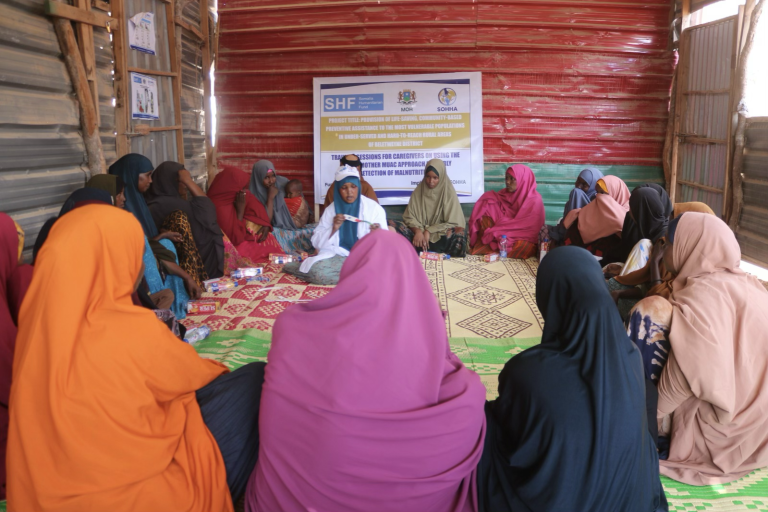
Structured presentations were delivered on IYCF concepts, child nutrition needs, breastfeeding and complementary feeding practices, and the link between IYCF and prevention of malnutrition. MUAC was introduced as a key community-based screening tool. - Demonstrations and Practical Sessions:
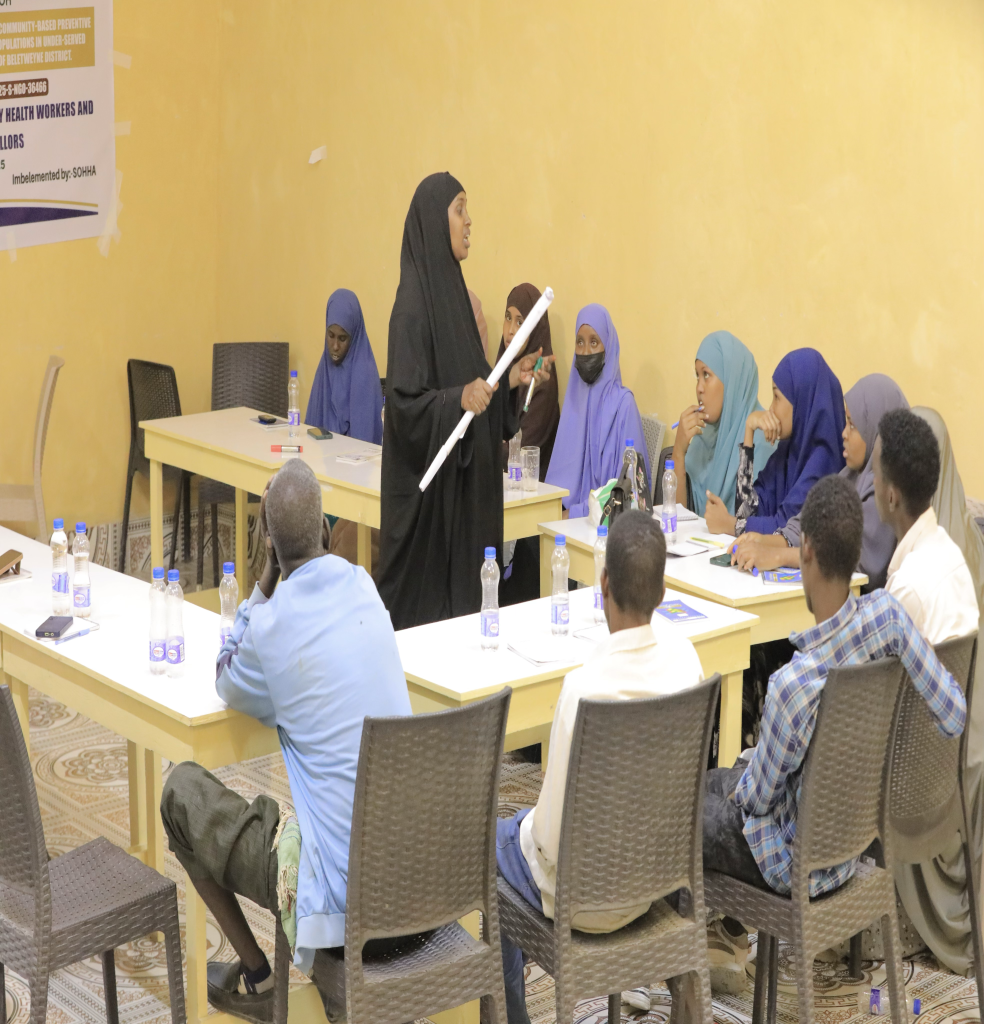
Participants engaged in hands-on practical exercises on MUAC measurement, interpretation of results, and counseling caregivers on appropriate feeding practices. Emphasis was placed on enabling participants to effectively demonstrate techniques and support mothers during routine community interactions. - Role-Plays and Case Studies:
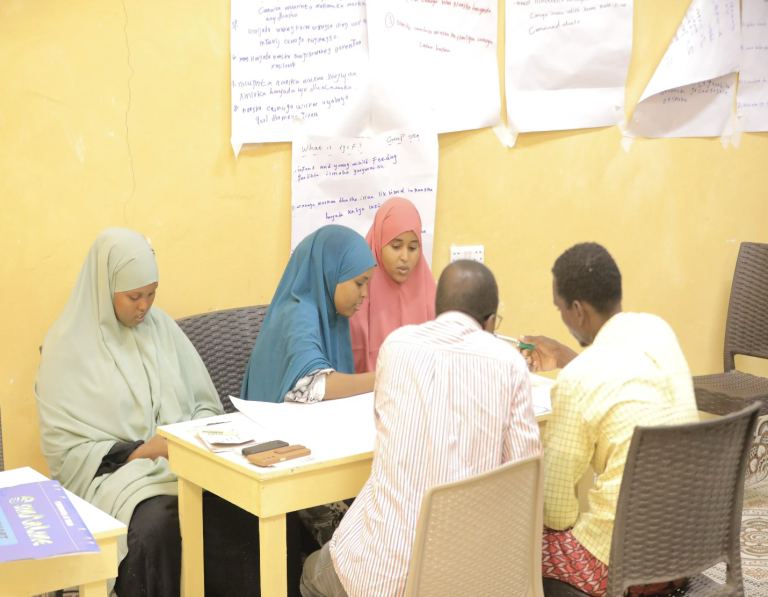
Simulated scenarios were used to strengthen participants’ skills in caregiver counseling, identification of feeding challenges, behavior change communication, and referral of malnourished children to nutrition services. - Group Discussions and Community Engagement Sessions:
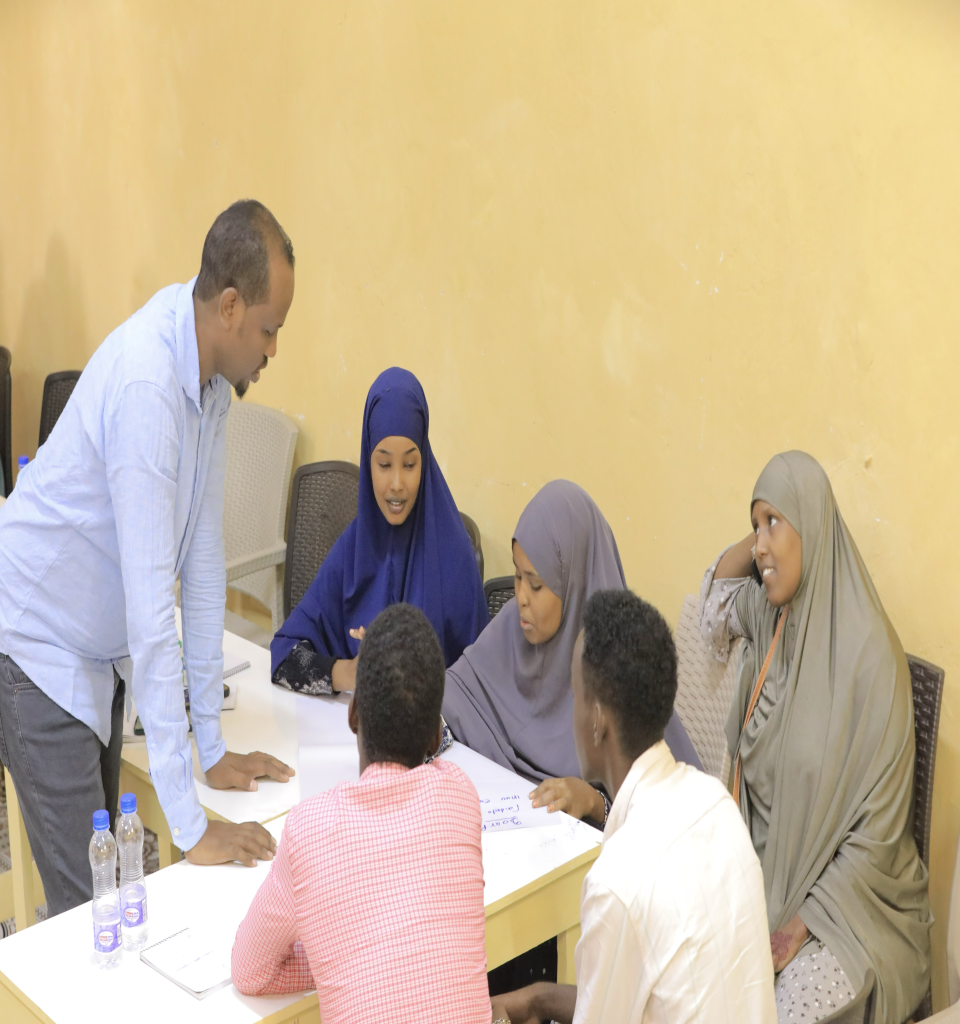
Facilitated discussions allowed participants to identify local barriers to optimal IYCF practices, screening, and referral, while reinforcing culturally appropriate solutions and the importance of early intervention.
4. IYCF Training Agenda
Day 1: Introduction to Infant and Young Child Feeding and Child Nutrition
- Overview of child nutrition, causes and consequences of malnutrition, and the importance of IYCF in child survival and development.
- Introduction to IYCF framework and key recommended practices.
- Linkages between IYCF, MUAC screening, and prevention of acute malnutrition.
Day 2: Community-Based IYCF Counseling and MUAC Screening
- Effective IYCF counseling techniques for caregivers, including breastfeeding and complementary feeding counseling.
- Practical demonstrations and supervised sessions on MUAC measurement and interpretation.
- Group discussions on early identification of malnutrition and timely referral.
Day 3: Referral Pathways and Nutrition Support
- Overview of referral mechanisms for children identified with acute malnutrition, including linkage to OTP, TSFP, and Stabilization Centers.
- Identification of SAM signs and MUAC thresholds in line with national guidelines.
- Nutrition support for children and caregivers, including counseling during treatment and recovery.
Day 4: Community Mobilization and Sustainability of IYCF Practices
- Strengthening community support systems for optimal IYCF practices and nutrition surveillance.
- Addressing barriers to optimal feeding practices, referral, and treatment adherence.
- Integration of IYCF activities with community health and nutrition services.
- Final review, practical assessment, and feedback session to ensure participant confidence and competency.
5. Conclusion
The Infant and Young Child Feeding (IYCF) training, implemented by the Somali Helping Hands Association (SOHHA) with support from the Somalia Humanitarian Fund (SHF), was successfully conducted in Beletweyne District and achieved its intended objectives. The training significantly strengthened the technical capacity of IYCF counselors and Community Health Workers to promote optimal feeding practices, identify children at nutritional risk, and facilitate timely referral to appropriate nutrition services.
Through a combination of theoretical instruction and practical application, participants enhanced their skills in IYCF counseling, MUAC screening, early detection of malnutrition, and referral of Moderate and Severe Acute Malnutrition cases. The training also reinforced the importance of caregiver engagement and community participation in improving child nutrition outcomes.
By strengthening community-based IYCF programming and linking prevention with early detection and referral, this intervention contributes to improved child nutrition, reduced malnutrition-related morbidity and mortality, and increased community resilience. Overall, the training represents a critical step toward sustainable, community-led nutrition promotion and child health improvement in hard-to-reach areas of Beletweyne District.
IYCF Training Group discussion