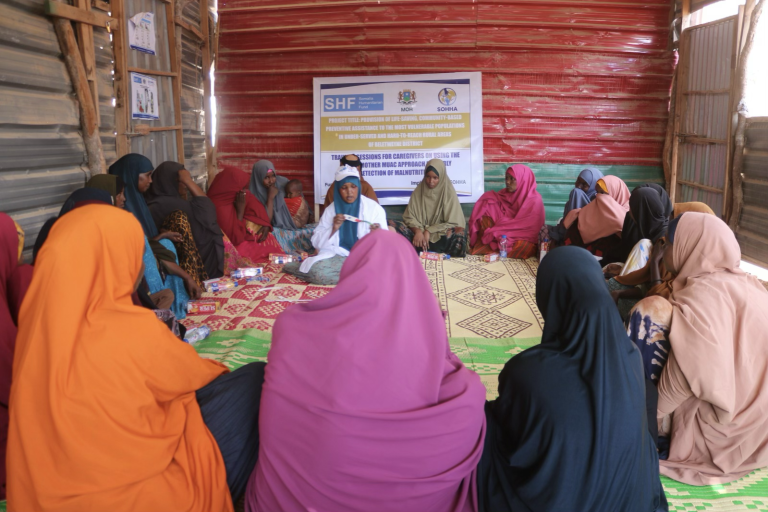
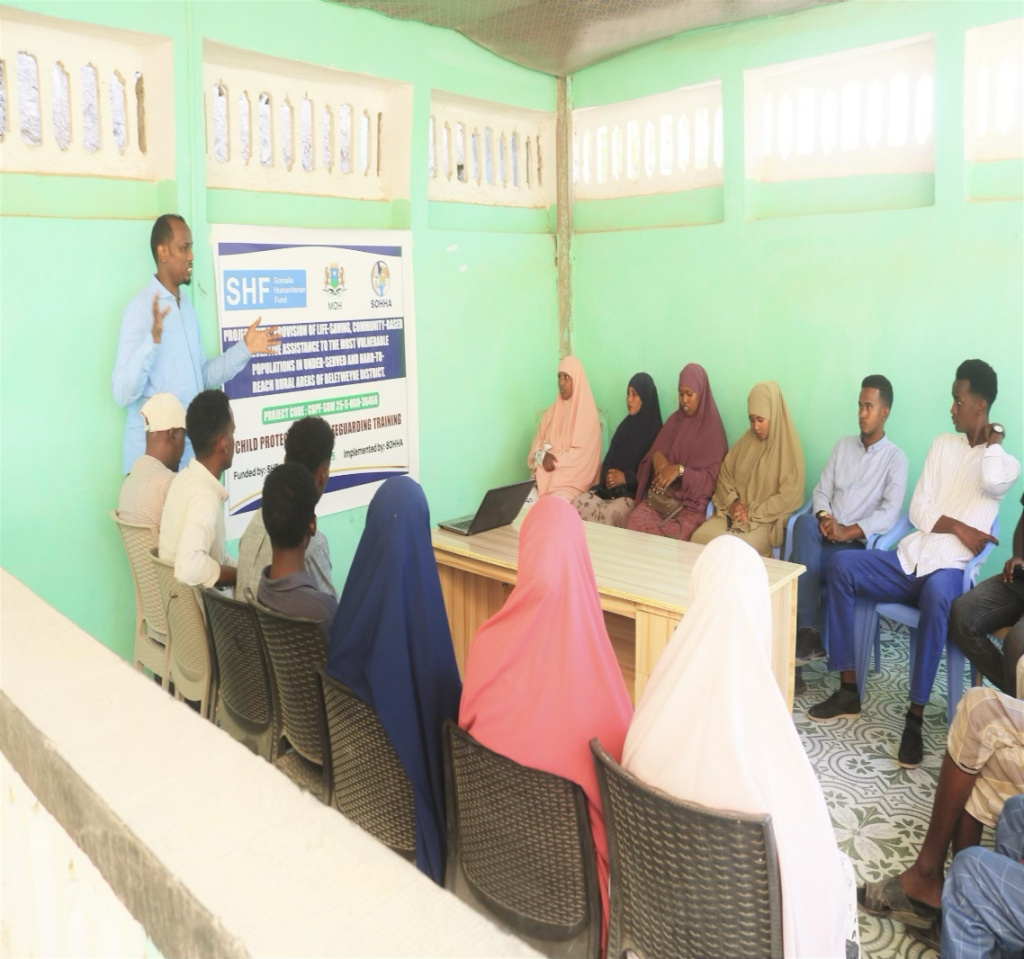
Training Title:Accountability to Affected Populations (AAP) Training Integrated into IMAM

TRAINING REPORT
Project Title:
Provision of Life-Saving, Community-Based Preventive Nutrition Assistance to Vulnerable Populations in Hard-to-Reach Areas of Beletweyne District
Training Title:
Accountability to Affected Populations (AAP) Training Integrated into IMAM
Implementing Organization:
Somali Helping Hands Association (SOHHA)
Donor:
Somalia Humanitarian Fund (SHF)
Training Location:
Beletweyne District, Hiraan Region, Somalia
Training Dates:
[27 September 2025]
Participants:
24 participants
- 16 Community Health Workers (CHWs)
- 8 Infant and Young Child Feeding (IYCF) Counsellors
1. Background and Rationale
Accountability to Affected Populations (AAP) is a core humanitarian commitment that ensures communities are actively informed, consulted, and able to influence decisions that affect their lives. In nutrition programming, particularly Integrated Management of Acute Malnutrition (IMAM), effective AAP mechanisms enhance service quality, trust, transparency, and community ownership.
Recognizing the importance of embedding accountability principles into frontline service delivery, SOHHA integrated comprehensive AAP training into the IMAM curriculum for community-based nutrition actors. The training aimed to strengthen the capacity of Community Health Workers and IYCF counsellors to uphold accountability standards while delivering nutrition services in Beletweyne District.
2. Training Objectives
Overall Objective
To strengthen the capacity of frontline nutrition workers to apply Accountability to Affected Populations (AAP) principles in IMAM and IYCF service delivery.
Specific Objectives
- To enhance participants’ understanding of AAP concepts and humanitarian accountability principles
- To improve skills in information sharing, community engagement, and feedback collection
- To strengthen knowledge on Complaints and Feedback Mechanisms (CFMs)
- To promote respectful, inclusive, and culturally appropriate interaction with affected communities
- To ensure accountability is systematically integrated into IMAM activities
3. Training Content
The training covered the following key topics:
- Introduction to Accountability to Affected Populations (AAP)
- Core AAP principles: transparency, participation, feedback, and learning
- Rights and responsibilities of affected populations
- Information sharing strategies at community level
- Community participation in nutrition programming
- Complaints and Feedback Mechanisms (CFMs): purpose, types, and procedures
- Handling sensitive complaints, including protection-related concerns
- Accountability in IMAM and IYCF service delivery
- Roles and responsibilities of CHWs and IYCF counsellors in promoting AAP
4. Training Methodology
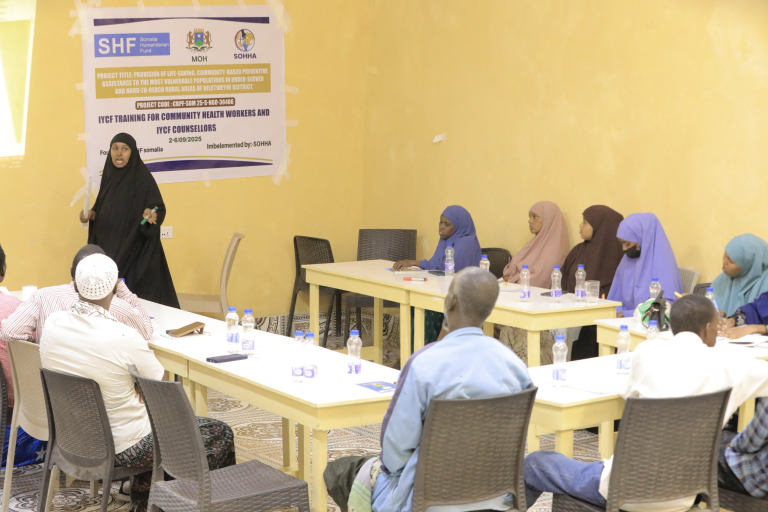
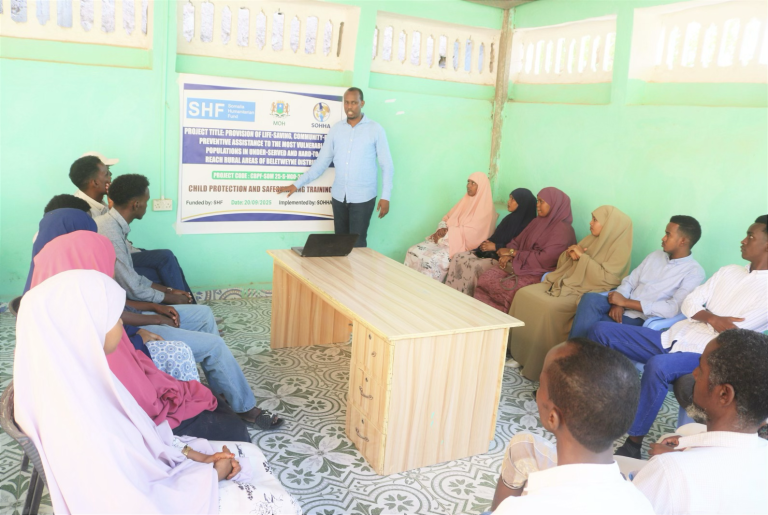
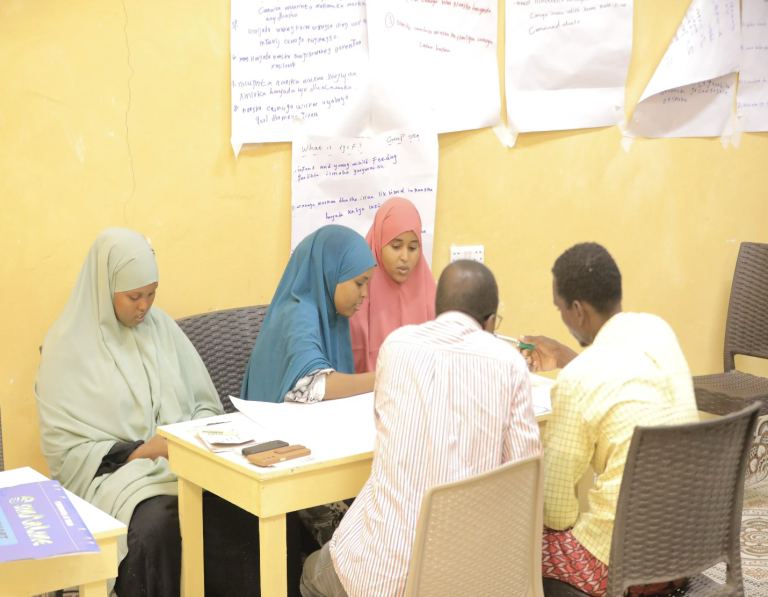
The training employed participatory and adult-learning approaches to enhance understanding and practical application. Methods included:
- Facilitated presentations
- Group discussions and brainstorming sessions
- Case studies and real-life scenarios
- Role plays on community engagement and complaint handling
- Question-and-answer sessions
These methods encouraged active participation and practical learning.
5. Participants
A total of 24 participants attended the training, comprising:
- 16 Community Health Workers (CHWs)
- 8 IYCF Counsellors
Participants were selected from SOHHA-supported health and community outreach sites to ensure direct application of learning in ongoing nutrition activities.
6. Key Achievements
- Participants demonstrated improved understanding of AAP principles and their relevance to nutrition programming
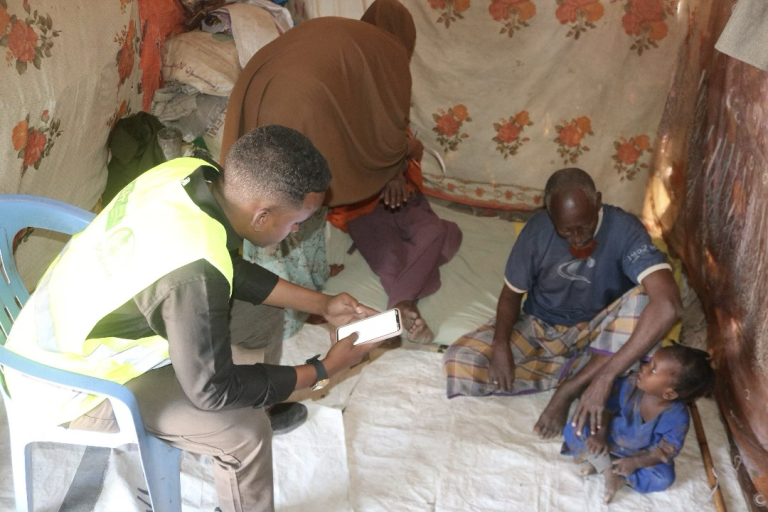
- CHWs and IYCF counsellors gained practical skills in engaging communities respectfully and transparently
- Increased awareness of the importance of feedback and complaints mechanisms
- Strengthened commitment among participants to promote accountability and community trust
- AAP principles successfully integrated into IMAM service delivery practices
7. Challenges
- Limited prior exposure of some participants to formal AAP concepts
- Time constraints due to integration with IMAM curriculum
These challenges were mitigated through simplified explanations and practical examples.
8. Conclusion
The AAP training successfully strengthened the capacity of Community Health Workers and IYCF counsellors to integrate accountability principles into nutrition service delivery. By embedding AAP within the IMAM framework, SOHHA has enhanced community engagement, transparency, and trust in nutrition interventions in Beletweyne District.
9. Recommendations
- Conduct regular refresher trainings on AAP for frontline workers
- Strengthen community awareness on available feedback and complaint channels
- Monitor and document AAP practices during routine supervision
- Integrate AAP indicators into nutrition program monitoring tools