Complaints and Feedback Mechanisms Report

Implementing Organization: Somali Helping Hands Association (SOHHA)
Donor: Somalia Humanitarian Fund (SHF)
Reporting Period: September–December 2026″
1. Purpose and Commitment
Somali Helping Hands Association (SOHHA) is committed to upholding Accountability to Affected Populations (AAP) through the establishment and implementation of effective, transparent, and accessible Complaints and Feedback Mechanisms (CFM). In accordance with SHF requirements and humanitarian accountability standards, SOHHA ensures that all community members—including women, minority groups, and persons with disabilities (PWDs)—are adequately informed of available complaints and feedback channels and are able to access them safely, confidentially, and without fear of retaliation or negative consequences.
2. Information Sharing and Community Awareness
SOHHA proactively disseminates clear, timely, and accessible information on available complaints and feedback mechanisms across all targeted villages. This is achieved through:
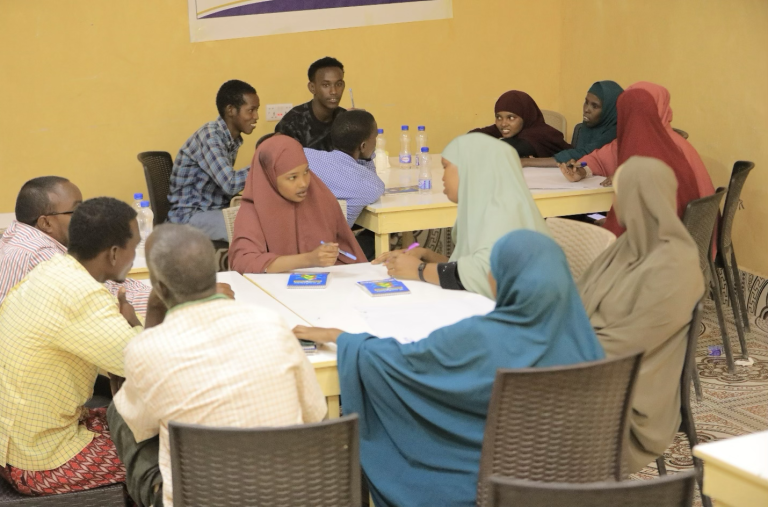
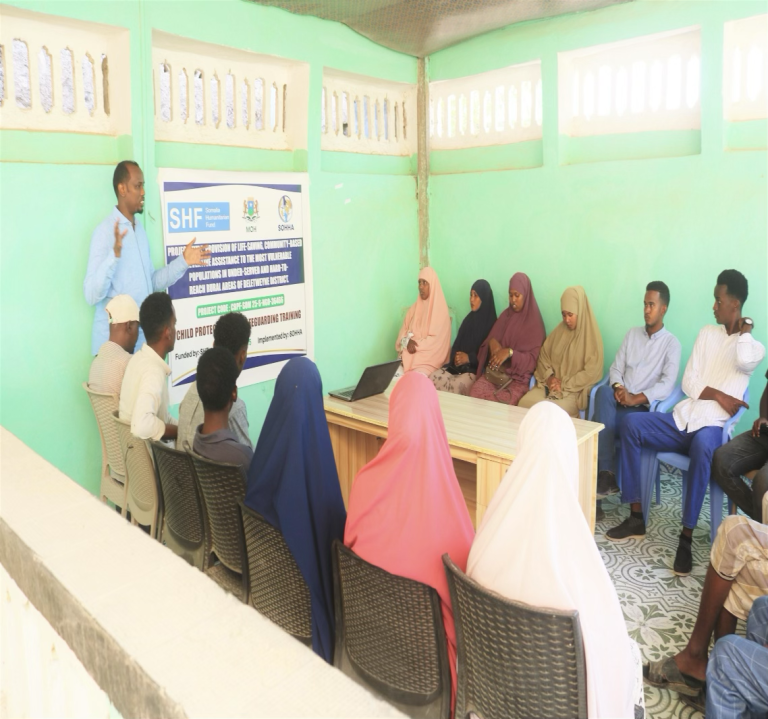
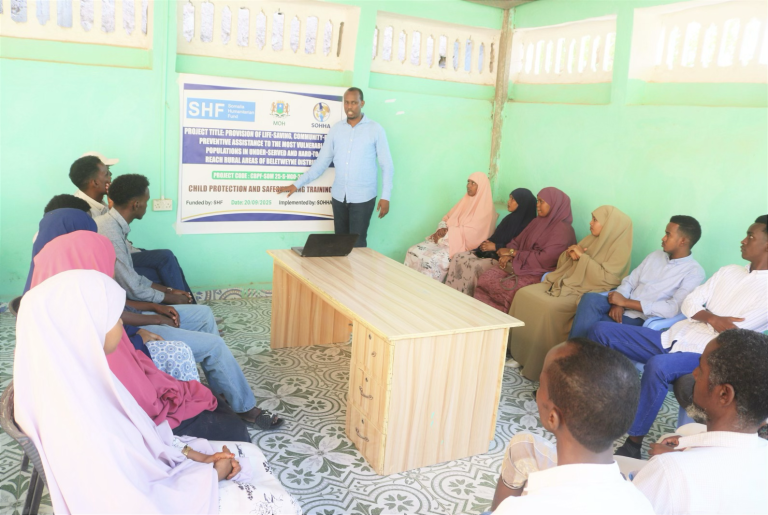
- Community sensitization meetings conducted prior to and throughout project implementation;
- Engagement with village-level committees and community leaders, including representatives of minority groups and PWDs;
- Public announcements at distribution and activity sites, clearly outlining complaint submission procedures;
- Display of posters and visual materials at strategic community locations, using simple language and locally understood dialects.
Information shared with communities includes the types of issues that may be reported, procedures for submitting complaints or feedback, expected response timelines, and assurances regarding confidentiality, impartiality, and protection.
3. Available Complaints and Feedback Channels
To ensure inclusivity and accessibility, SOHHA operates multiple complementary complaints and feedback channels, including:
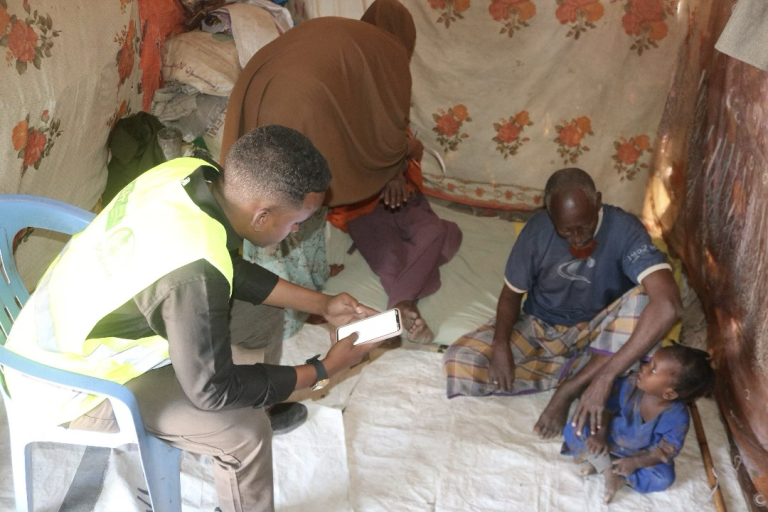
- On-site help desks during distributions and project activities, staffed by trained SOHHA personnel;
- Community focal points, including female representatives and individuals from minority groups and PWDs, who receive complaints confidentially;
- Direct reporting to SOHHA staff during routine field visits, supervision, and monitoring activities;
- Suggestion boxes placed in accessible and neutral community locations, where feasible
- Hotline calling and massages 614571233.
These channels enable community members to submit complaints, concerns, suggestions, or positive feedback related to beneficiary targeting, service delivery, staff conduct, protection issues, and overall program quality.
4. Accessibility and Protection Considerations
SOHHA applies specific measures to ensure equitable access to the CFM for all community members, including:
- Provision of verbal reporting options to accommodate illiterate individuals;
- Support for persons with disabilities through trusted community focal points;
- Availability of safe and private spaces for women and vulnerable individuals to report sensitive issues;
- Clear communication that the use of complaints and feedback mechanisms is free of charge and does not affect eligibility for assistance.
All complaints are managed in line with humanitarian protection principles, ensuring respect for dignity, safety, confidentiality, and do-no-harm practices.
5. Complaint Handling, Documentation, and Response
SOHHA follows a standardized and documented procedure for complaint management, which includes:
- Receipt and confidential registration of complaints in a complaints log;
- Classification of complaints (e.g., programmatic, targeting-related, staff conduct, exclusion, or protection-related);
- Verification and investigation, as required;
- Resolution and response within defined timelines;
- Provision of feedback to the complainant, where appropriate and feasible.
Serious or sensitive complaints, including allegations of misconduct or safeguarding concerns, are escalated through established internal reporting and referral pathways in line with SOHHA policies and SHF guidance.
6. Monitoring, Analysis, and Reporting
Complaints and feedback data are systematically reviewed and analyzed to:
- Identify recurring concerns and systemic gaps;
- Improve program quality and effectiveness;
- Strengthen inclusion, accountability, and risk mitigation measures.
Aggregated and anonymized information on complaints received, actions taken, and lessons learned is included in periodic narrative reports submitted to SHF, while ensuring strict confidentiality.
7. Key Challenges
The implementation of the Complaints and Feedback Mechanism faces several challenges, including:
- Low literacy levels in some target communities, limiting understanding of formal complaint processes;
- Reluctance among vulnerable groups to raise complaints due to social hierarchies or power dynamics;
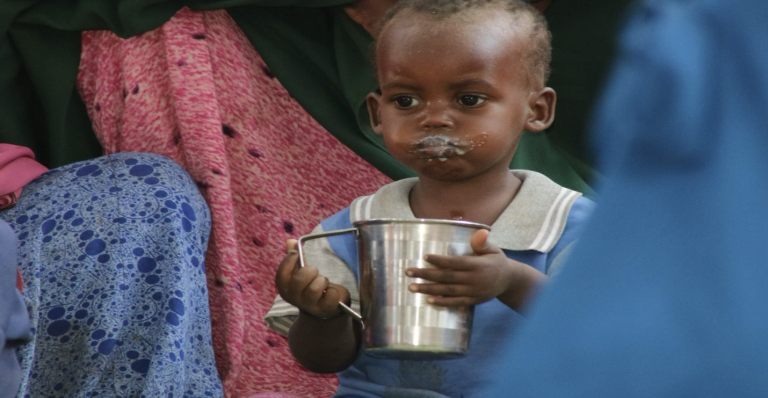
- Frequent complaints from beneficiaries regarding shortages or delayed availability of specialized nutrition supplies, particularly Ready-to-Use Therapeutic Food (RUTF) and Ready-to-Use Supplementary Food (RUSF). In some cases, beneficiaries are referred to health or nutrition centers on the same day but receive the required supplies on the following day or later, which leads to dissatisfaction and repeated feedback through the CFM.
8. Recommendations
To further enhance the effectiveness of the Complaints and Feedback Mechanism, SOHHA recommends:
- Continued and regular community sensitization to reinforce awareness, trust, and utilization of the CFM;
- Strengthening the capacity of community focal points, with a focus on confidentiality, safeguarding, and protection principles;
- Increased representation of women, minority groups, and PWDs within CFM structures;
- Standardization of complaint documentation tools and response timelines across all project locations;
- Routine analysis of CFM data to support adaptive programming, early risk identification, and supply planning;
- Systematic integration of CFM lessons learned into future partner’s interventions, including improved coordination with health and nutrition partners to minimize delays in the provision of RUTF and RUSF.
9. Conclusion
Through structured information sharing and the establishment of inclusive and accessible complaints and feedback mechanisms, SOHHA demonstrates its strong commitment to accountability, transparency, and community-centered humanitarian programming. These mechanisms ensure that community voices are heard, concerns—including those related to nutrition supply availability—are addressed in a timely manner, and project implementation remains aligned with SHF requirements and humanitarian best practices.