COOKING DEMONSTRATION REPORT

Project Title
Provision of Life-Saving, Community-Based Nutrition and Health Education Services
Activity
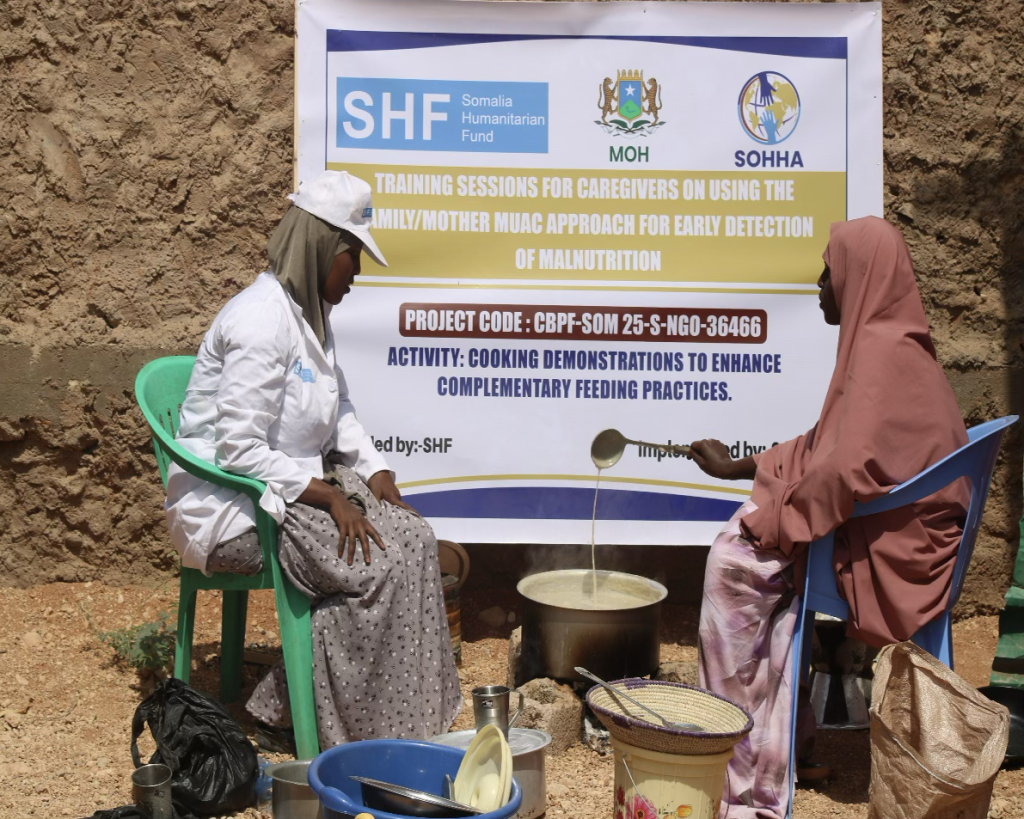
Cooking Demonstrations for Health & Wellness Promotion Using Local Somali Foods
Implementing Organization Somali Helping Hands Association (SOHHA)
Donor Somalia Humanitarian Fund (SHF)
Location
Beletweyne District – Villages: Dharkeynta, Baacadbuke, Dabeyl, Guriyacade, Lafoole, Gasle, Siigaaloow, and selected IDP sites
Reporting Period
15 October – 15 December 2025
Number of Participants
- Total Groups: 13
- Participants per Group: 20
- Total Participants: 260
- Target Group: Mothers, caregivers of children under five, pregnant and lactating women (PLWs)
1. Background and Rationale
Malnutrition remains a critical public health concern in Somalia, particularly among children under five years of age and pregnant and lactating women (PLWs). Poor dietary diversity, limited nutrition knowledge, food insecurity, and repeated humanitarian shocks have resulted in widespread reliance on monotonous diets dominated by cereals, with inadequate intake of proteins, vegetables, fruits, and micronutrient-rich foods.
In Beletweyne District, many households lack practical knowledge on how to prepare balanced and nutritious meals using locally available foods. This negatively affects infant and young child feeding (IYCF) practices, maternal nutrition, and overall household health.
Cooking demonstrations using locally available Somali foods are a proven behavior change communication (BCC) strategy that enables caregivers to acquire practical skills in preparing nutritious meals. These demonstrations promote dietary diversity, food safety, hygiene, and optimal feeding practices while ensuring cultural relevance and sustainability.
As part of its integrated nutrition and health education program funded by the Somalia Humanitarian Fund (SHF), SOHHA conducted community-based cooking demonstrations to strengthen household-level nutrition practices and improve nutrition outcomes among vulnerable populations.
2. Objectives of the Cooking Demonstration
The specific objectives of the cooking demonstrations were to:
- Improve participants’ knowledge and practical skills in preparing nutritious meals using local Somali foods
- Promote dietary diversity for children under five and pregnant and lactating women
- Increase awareness and practice of proper hygiene and food safety during food preparation
- Support optimal infant and young child feeding (IYCF) and maternal nutrition practices
- Encourage positive and sustainable behavior change through participatory learning
3. Benefits of Using Cooking Demonstrations to Teach Health & Wellness
3.1 Practical and Hands-On Learning
Cooking demonstrations allow participants to actively engage in food preparation, enabling them to observe, practice, and understand proper cooking techniques. This hands-on approach improves learning retention compared to theoretical sessions.
3.2 Promotes Sustainable Behavior Change
By using affordable, locally available, and culturally acceptable Somali foods, participants are more likely to replicate the demonstrated recipes at household level, leading to sustainable improvements in dietary practices.
3.3 Encourages Community Participation and Peer Learning
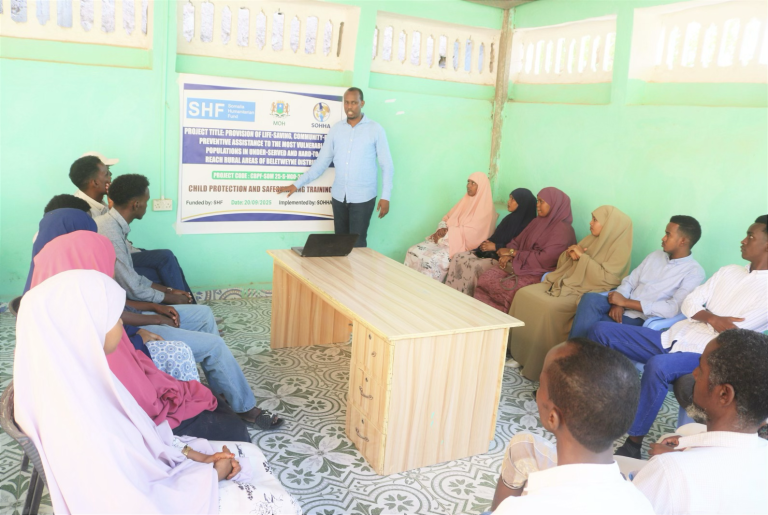
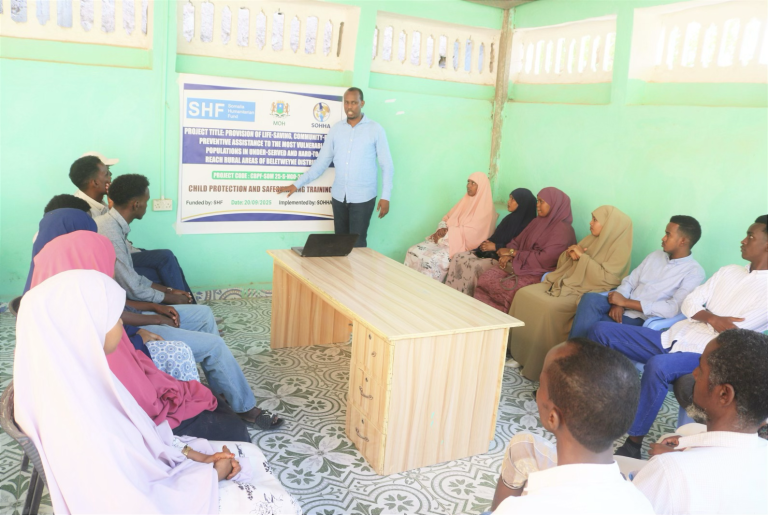
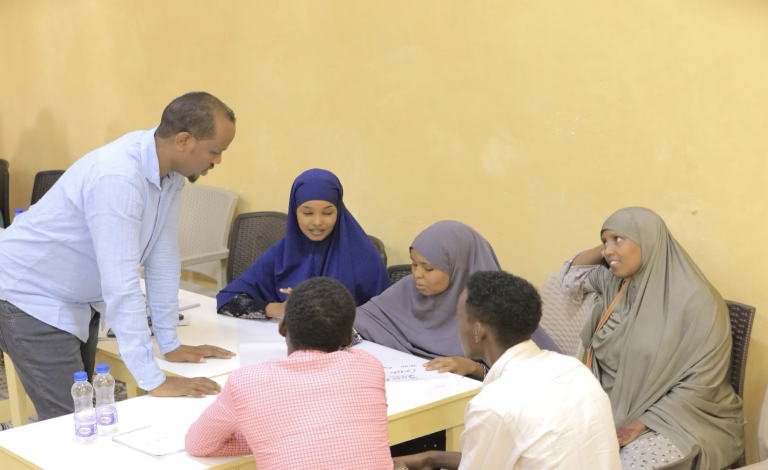
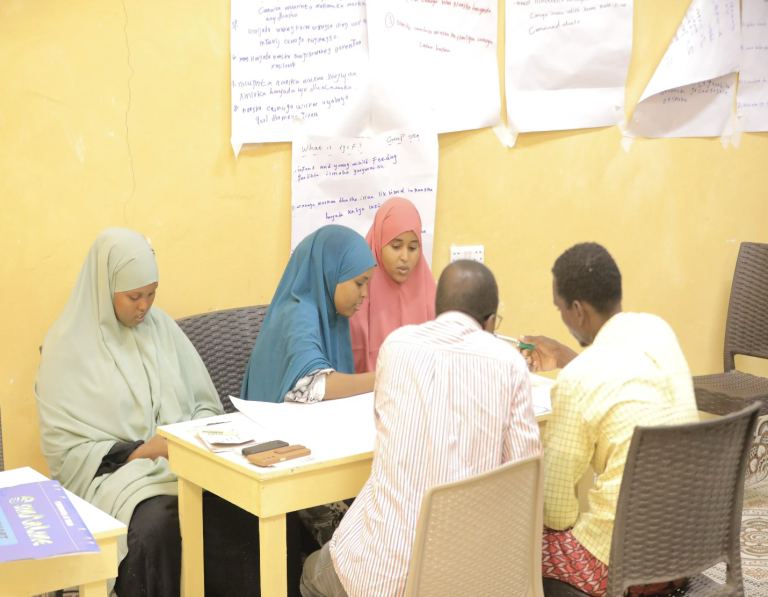
Group-based demonstrations foster discussion, sharing of experiences, and peer learning among participants, strengthening community ownership and acceptance of improved nutrition behaviors.
3.4 Improves Nutrition, Hygiene, and Food Safety Knowledge
The demonstrations integrate key messages on balanced diets, hygiene, handwashing, safe water use, and food safety, contributing to improved health and wellbeing for households.
4. Approach and Methodology
The activity was implemented using a community-based, participatory behavior change communication (BCC) approach focusing on practical learning and sustainability.
4.1 Community Mobilization
SOHHA nutrition staff worked closely with community leaders, village committees, and health volunteers to mobilize target beneficiaries and identify suitable venues within the community.
4.2 Group-Based Demonstration Model
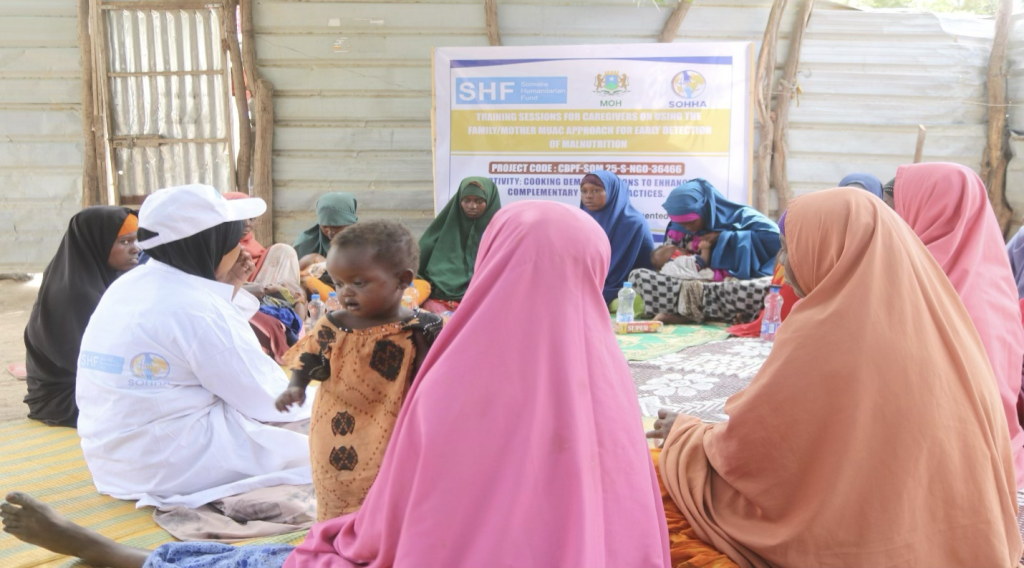
Participants were organized into five groups of twenty participants to allow effective facilitation, interaction, and participation. Small group sizes ensured that all participants could actively engage in the demonstrations.
4.3 Use of Local Somali Foods
All recipes were prepared using locally available and affordable Somali food items to ensure cultural relevance and feasibility for household replication.
4.4 Practical Demonstration and Facilitation
Facilitators conducted step-by-step cooking demonstrations while engaging participants in food preparation. Key messages on IYCF, maternal nutrition, hygiene, and food safety were integrated throughout the sessions.
4.5 Monitoring and Feedback
Participant engagement and understanding were monitored through observation, question-and-answer sessions, and feedback discussions to improve the effectiveness of the activity.
5. Key Steps for a Successful Cooking Demonstration
5.1 Venue Selection
- Safe, clean, and accessible community locations
- Adequate space for cooking and participant seating
- Availability of clean water and basic sanitation facilities
5.2 Topic Selection
- Based on identified community nutrition gaps
- Focus on child feeding, maternal nutrition, and family diets
- Emphasis on balanced meals using local foods
5.3 Recipe Selection (Local Somali Foods)
Recipes included:
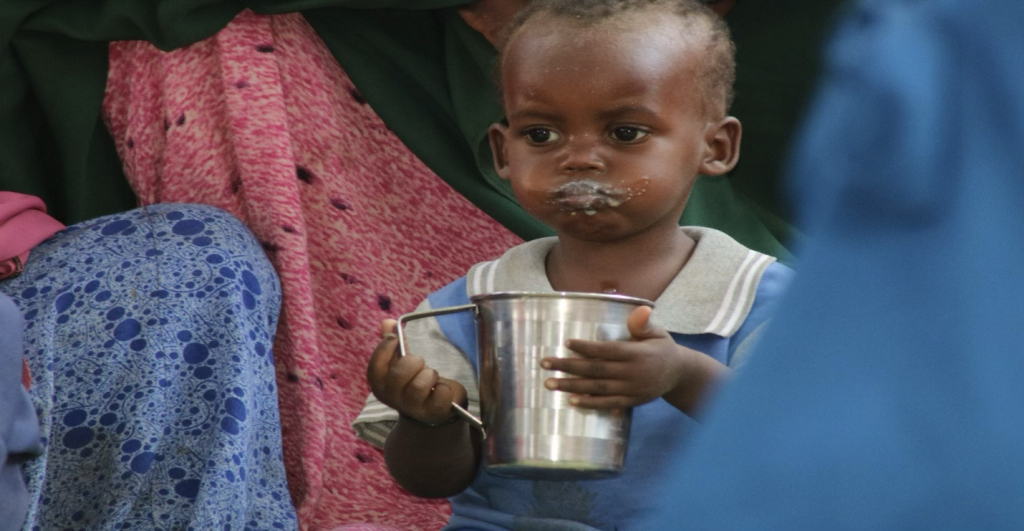
- Enriched porridge (Shurbad kabciye ) with groundnuts, milk, or oil
- Rice or sorghum combined with beans, lentils, or cowpeas
- Vegetable-based meals using tomatoes, onions, carrots, and leafy greens
- Protein sources such as eggs, milk, legumes, and small amounts of meat or fish
- Use of iodized salt and vegetable oil to improve micronutrient intake
5.4 Materials and Equipment
- Cooking utensils, fuel, and locally sourced ingredients
- Handwashing facilities with soap and clean water
- IEC/BCC materials on food groups and balanced diets
6. Food Safety and Food Sampling Requirements
6.1 General Food Safety Measures
- Handwashing with soap before food handling
- Use of clean utensils and cooking surfaces
- Proper washing of vegetables and ingredients
- Use of safe and clean water
- Thorough cooking to prevent foodborne illnesses
6.2 Food Sampling Requirements
- Small tasting portions provided
- Use of clean, disposable cups or spoons
- No direct hand contact with cooked food
- Separate utensils for serving and tasting
- Food served immediately after cooking
6.3 Special Considerations
- Extra caution for children and PLWs
- No storage or reuse of leftover food
- Proper disposal of food waste
7. Implementation Summary
| Item | Details |
| Number of Groups | 13 |
| Participants per Group | 20 |
| Total Participants | 260 |
| Facilitators | SOHHA Nutrition Staff |
| Methodology | Practical cooking demonstrations & group discussions |
| Key Topics | Local balanced diets, IYCF, hygiene, food safety |
8. Challenges and Mitigation Measures
- Limited cooking utensils: Shared equipment efficiently among groups
- Low literacy levels: Used visual demonstrations and simple language
- Time constraints: Proper scheduling and group management
9. Achievements
- Improved caregiver knowledge on preparing nutritious meals using local foods
- Increased awareness of dietary diversity, hygiene, and food safety
- High participation and engagement of mothers and PLWs
- Increased confidence among participants to prepare balanced meals at household level
10. Lessons Learned
- Practical demonstrations are more effective than theoretical sessions
- Use of local Somali foods improves sustainability and acceptance
- Community participation enhances adoption of improved nutrition practices
11. Conclusion
The cooking demonstrations conducted by SOHHA with funding from SHF successfully improved nutrition knowledge, practical cooking skills, and hygiene awareness among targeted communities in Beletweyne District. The use of locally available Somali foods ensured cultural relevance and sustainability, contributing positively to improved household nutrition and child feeding practices.
12. Recommendations
- Scale up cooking demonstrations to additional communities
- Integrate cooking demonstrations with IYCF, CMAM, and outreach activities
- Conduct follow-up sessions to reinforce behavior change and good practices